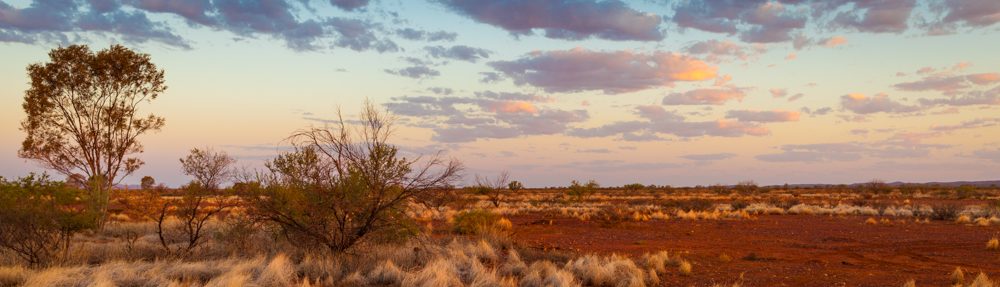
Continuing our journey north brings us to Townsville for 4-nights and along with it a little apprehension. We needn’t have worried.
Castle Hill
Originally known as Castletown, the city was renamed Townsville after its founder Robert Towns when it became an official port in 1865. The city sits below the 286-metre granite dome known as Castle Hill once used in part as a defensive fortress and lookout. It is now the most expensive real estate location in the city.

The lookout is easily accessed along a narrow road by car, or bicycle for the fit, and by foot via several bush walks for those even fitter. It provides 360-degree views over the city, port, airport, retail, industrial and residential areas both inland towards the mountains or out over the sea to Magnetic Island and beyond.
Often referred to as Australia’s ‘fortress city’, Townsville is home to a large part of the country’s defence forces and one of the largest military bases in Australia. Supporting both the Army and the Royal Australian Air Force its presence can hardly be missed as you drive north along the Bruce Highway heading for the city. With increasing tensions in and around the South China Sea, the city will see an uptake in defence force numbers and activities over coming years.
The city is also a major industrial centre with one of the largest zinc processing plants in the world importing minerals from several overseas and more local mines such as Mount Isa to the east. It is the only city in the world that refines three base metals with copper and nickel additional to the zinc being processed here. This makes it an ideal location for manufacturing products using those metals and exporting worldwide through the port. And such a plan is underway with a $2bn lithium-ion battery manufacturing facility to be built shortly.
Sugar Sugar
And, of course, not forgetting the region’s major agricultural crop – Sugar Cane. Grown throughout the year, sugar cane is an unmistakable sight in Queensland and especially so in the north.
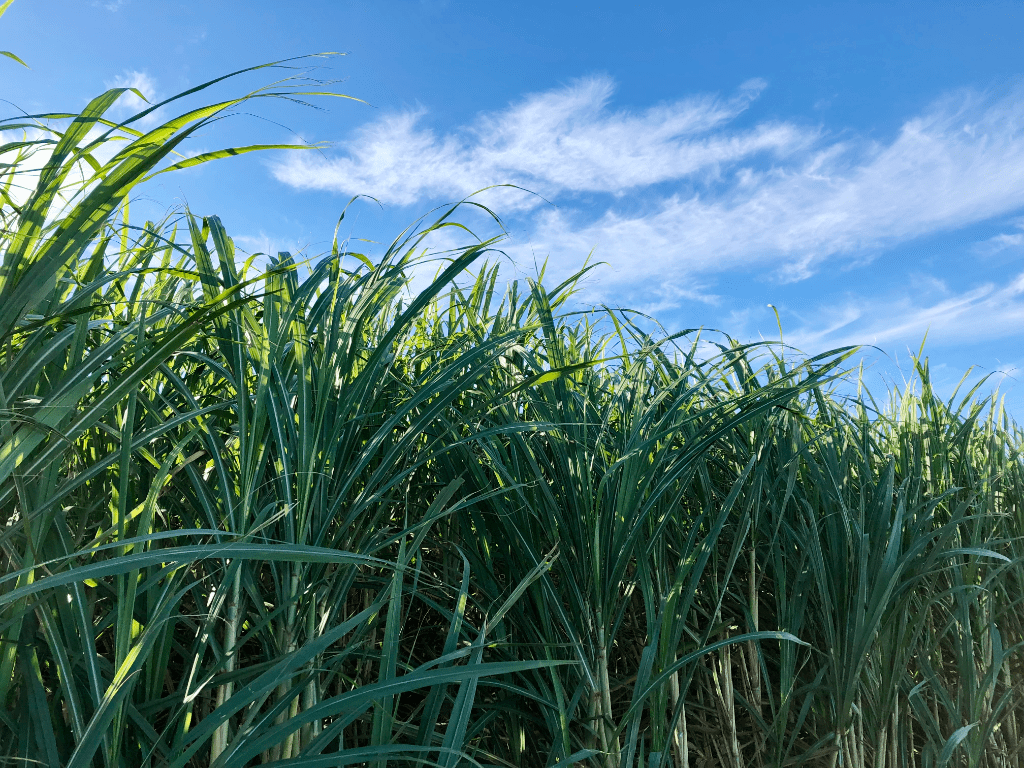
Along with the enormous fields of cane comes the cane trains and their narrow gauge rail tracks, which crisscross the landscape and many road crossings. Once famous for the spectacle of burning the cane, at least in classic Aussie songs and car commercials of the 1980’s, the region just south of Townsville is one of the last to predominantly burn cane prior to harvest. The fire is used not to burn-off the remaining stubble post harvesting but actually to remove leaves and dry vegetation to make the harvesting process easier. The fires usually take place between June and November.
We’ve been ‘Stranded’
Sitting between the north of the city and the port is a popular area known as The Strand where the beach is fringed by coconut palms and ancient fig trees. Running in parallel are numerous cafes and restaurants where those taking a stroll along the Strand’s winding footpath can stop for a break, sip a coffee looking out towards Magnetic Island or just soak up the sun.
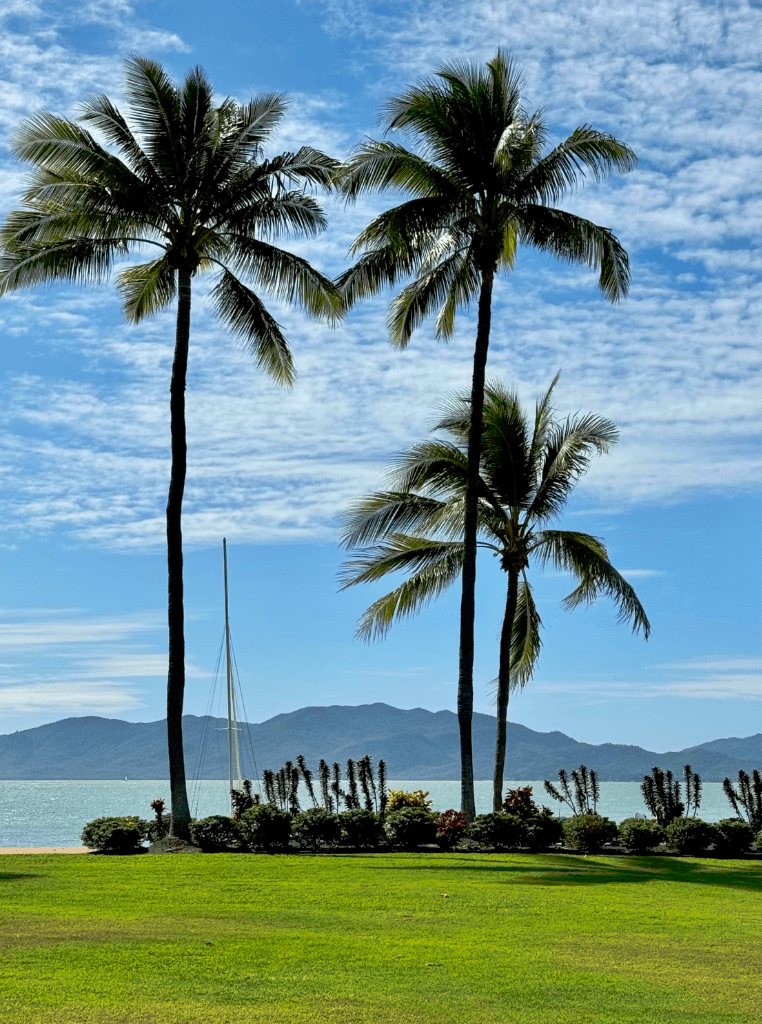
Fewer people venture into the sea this far north alert to the wet season’s numerous poisonous jellyfish and crocodiles. Thankfully numerous signs along the strand help identify jellyfish species and their sting symptoms while providing bottles of vinegar to help alleviate their painful effects.
Positively attractive
And talking of Magnetic Island, its modern-era name allegedly originated as a consequence of the compass on Captain Cook’s ship becoming erratic as he was passing in close proximity in 1770.
‘Maggie’ is one of just a few inhabited Great Barrier Reef islands with upwards of 2,500 people calling the island home. It is also largely designated a National Park with 76% of the island coming under N.P status and protection. A haven for wildlife, Maggie Island has a growing population of koalas believed to be in excess of 800 and making it the largest colony in northern Queensland.
Easily reached by ferry from Townsville, Magnetic Island is just 8km offshore and makes for a good day out from the mainland or for a longer stay at one of the many hotels or smaller accommodation options.
World War II
The bombing of Darwin during WWII is well publicised but lesser known was the Japanese attacks on Townsville. Between the 25th and 31st of July 1942, attacks over several raids fortunately resulted in little damage and no fatalities. The only injury came on the 31st of July when a single flying boat dropped a bomb at Mossman injuring a child.

Crime Capital
Unfortunately Townsville has a serious problem with youth crime. In fact it has the highest youth crime rate in the country with 55,000 crimes committed per 100,000 of the population. With a current average population of 179,000 people it’s easy to see how serious a problem this has become. It has all been exasperated by an appalling policy introduced by the ruling government. The offenders are arrested by the police and presented before the court. The judges are being told that incarceration should be the last option for crimes committed by youths. The result, they are just released back into the community to commit further crimes knowing they have the upper hand.
That said, although we were wary and taking precautions when walking around the city, we encountered no issues and actually felt quite relaxed in the friendly atmosphere.
 Discovery Down Under