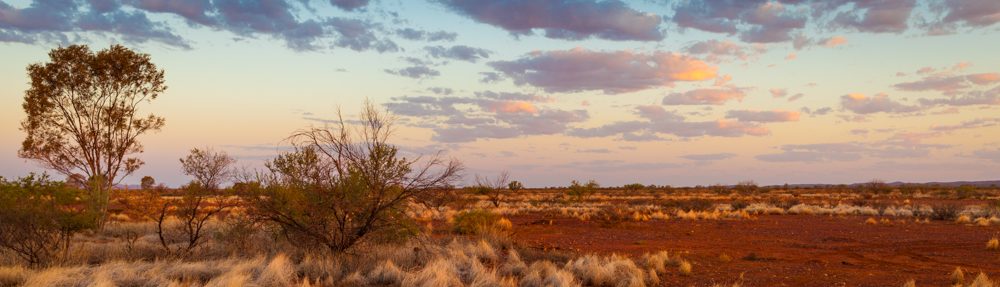
From a photographer’s perspective there are four times at which it is best to see Katherine Gorge; sunrise and sunset during the ‘Wet’ and sunrise and sunset during the dry season. The ‘Golden Hour’, an hour after sunrise and an hour before sunset, produces the best light for landscape photography. In the case of Katherine Gorge the golden hour light transforms the near vertical canyon walls into glowing orange, reds and yellows against a deepening blue sky. And so it is no surprise that we have chosen an evening dinner cruise on the Katherine River through the Gorge.

We joined the rest of our cruise companions just beyond the Visitor Centre where we chose our dinner option and then were guided to our boat and our indigenous captain and guide, Jimmy. Immediately opposite the jetty was a crocodile trap, a good sign that saltwater crocodiles were known to call this river home. Crocodile safety was a feature of Jimmy’s introduction and dangling limbs in the river was not advisable.
Within a few minutes of casting off we got our first sighting of a freshwater crocodile as it lazed in the lowering sun. The ‘freshies’ are more colourful than their saltwater cousins with bright yellow/green and dark stripes. They somehow look less prehistoric too with their long, narrow jaws and are certainly less aggressive. Jimmy took the boat closer to the river bank to give everyone a closer look before it decided we looked more like prey and sunk beneath the ripples our boat was creating.

The first section of our tour is actually along part of a series of 13-pools created along the length of the gorge. Dam walls in the underlying riverbed are normally under several metres of water during the wet season but as the dry season takes over the river level drops leaving pools with some low level waterfalls for what flow remains. It is for this reason that the National Park Service are confident they can keep the pools free of saltwater crocodiles – once the pools are isolated the crocodiles can no longer move freely and are more easily trapped.
Dreamtime Creation
Jimmy explained the Aboriginal story behind the creation of Katherine Gorge and this pool in particular, which was named after the sound of the Cicada as Nitmiluk – Nit, Nit being the sound and Luk meaning the place of.
We were just approaching the end of the first pool and a large rock wall blocking the flow of the river. At this point a 400-metre walk takes us past 20,000-year old rock paintings and a great location for photographs of the gorge walls reflected in the water. And at the end of the walk is our second boat ready to take us further up the river.

Now the more observant may be starting to wonder how a large boat got to the second pool when it is isolated by the dam, surrounded by the huge walls of the gorge and no access by road. As Jimmy explained, it was a common question, and it relied on the high water level during the Wet. Each season a high powered boat tows the cruise boats against the current to their required location where they are lashed to the gorge wall in a way that later keeps them secure as the river level drops and the pools reform. At the start of the wet season they are returned on the rising river for safe storage and readied for the next year.

The second pool is also the location for canoe adventures, which are able to navigate further up the gorge. I’m not sure I would want to be part of the first trip of the season – have every one the saltwater crocodiles been found and removed?
By now the sun was starting to set and the gorge walls were beginning to glow in the light. The orange colour of the gorge is caused by rusting of the iron oxide contained in the sandstone. Below the surface, free of oxygen, the rock remains white.
As we cruised further upstream Jimmy explained the scientific version of the gorge’s formation. In the same way that the sandstone we saw at Edith Falls was created, the sandstone in the gorge is also fracturing into regular rectangular blocks. Over time the blocks break away and fall into the gorge to be ground down by the river. Unusual here, though, for a river path, there are none of the classic curves and bends, instead the river takes 90-degree turns along the fracture lines of the rock.
After a few last sunset photos it was time for dinner and our final boat was waiting for us. This one had tables laid out with white tablecloths, native flowers and candles. As we set-off we were presented with a glass of sparkling wine with a red hibiscus bud and introduced ourselves to our table guests. An entree of smoked chicken, crocodile, kangaroo tail and salad was followed by Barramundi or eye fillet, a mango sorbet and flourless chocolate cake with a berry coulis.

As the stars began to appear we drifted quietly around positioning the boat for the best views with spotlights lighting the riverbanks while catfish swam all around us. It was such a peaceful, relaxing highlight to the end of an excellent cruise with good company and great food. Very much recommend. You can find out more about the Nabilil Dreaming Sunset Dinner Tour at Nitmiluk.
The drive back to the campsite was in darkness and staying well below the speed limit knowing kangaroos were likely to be around. And true to form our headlights caught a small grey roo right beside the road. Fortunately it chose to move back into the bush rather than run across the road in front of us.






 Discovery Down Under