We had a good trip from Toowoomba yesterday and arrived in Brisbane before lunchtime and no issue with the car. That said it was a mostly downhill or a level drive on the freeway. We checked the transmission radiator when we pulled-up at the caravan site and it had reached 85C but we’ll be keeping a check when towing for a while to see if it is the transmission temperature that is triggering the Restricted Performance issues we’ve been experiencing.
Mount Coot-tha
Following rain and a windy night the sun was shining brightly this morning, which put us in the mood for a good walk. There are many trails in the parks around Brisbane but one place in particular was familiar to me and where I had often seen people hiking during work trips in the region.
Mount Coot-tha is Brisbane’s highest mountain named after the Aboriginal word ‘ku-ta’ meaning honey, produced by the native stingless bee. The mountain forms a bush reserve of approximately 1,600 hectares, primarily eucalypt forest, with excellent views of the Brisbane CBD as well as Moreton Bay and Stradbroke Island.

The best views can be found at the Lookout, which is also served by a cafe and restaurant. And it was right here that we stopped to enjoy the view and grab a coffee before preparing for a bush walk.
Lichfield Track
We chose to take the Lichfield Track, which extends for 2.5KM through the eucalypt forest on a relatively level, well walked path following the contours of the mountain and never too far from the road that winds its way around the mountain. The weather was ideal today for our walk, not too warm and with little humidity, which made the walk easy going.
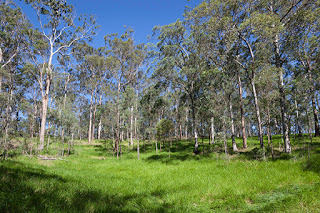
Being a subtropical forest it is mostly dry with hardy plants and grasses filling the gaps between trees. There was little obvious wildlife apart from the ever present Brush Turkeys and the occasional Cockatoo and Rainbow Lorikeet. There are snakes about though including the Eastern Brown, Red-bellied Black and the harmless (to humans at least) Coastal Carpet Python, one very large example I’ve seen here before.
Although largely dry there are occasional green areas that benefit from past clearings and forest fires.
It didn’t seem long before we had reached the end of the track at the appropriately named Gold Mine Picnic area. Gold was mined here for a number of years up until the 1950’s but it was far from successful. It was a good spot to relax, though, and watch the magpies and butcher birds searching for food. After a short break we headed back to the car and down the winding mountain road to the Brisbane Botanic Gardens, which turned out to be a real gem.

Trees of the World
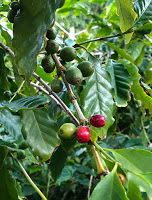
Brisbane Botanic Gardens is Queensland’s premier botanic gardens and it is easy to see why. It is huge, sitting at the base of Mount Coot-tha, and is crammed full of plants, trees and cacti native to Australia and many other countries around the world. You could easily spend a day wandering around the hills, lakes and exploring hidden gardens and still miss parts worthy of viewing. And, of course, we just happened to spot a coffee plant growing towards the top of the gardens.
Thoroughly recommended and an easy drive from around the Brisbane area.
Star Gazing
Adjacent to the botanic gardens is the Sir Thomas Brisbane Planetarium, named after Scottish astronomer and governor of the colony of New South Wales between 1821 and 1825.
A popular attraction for all ages, the Planetarium was unfortunately closed on our visit while a new digital projection system is installed.
 Discovery Down Under